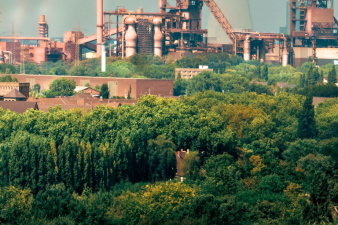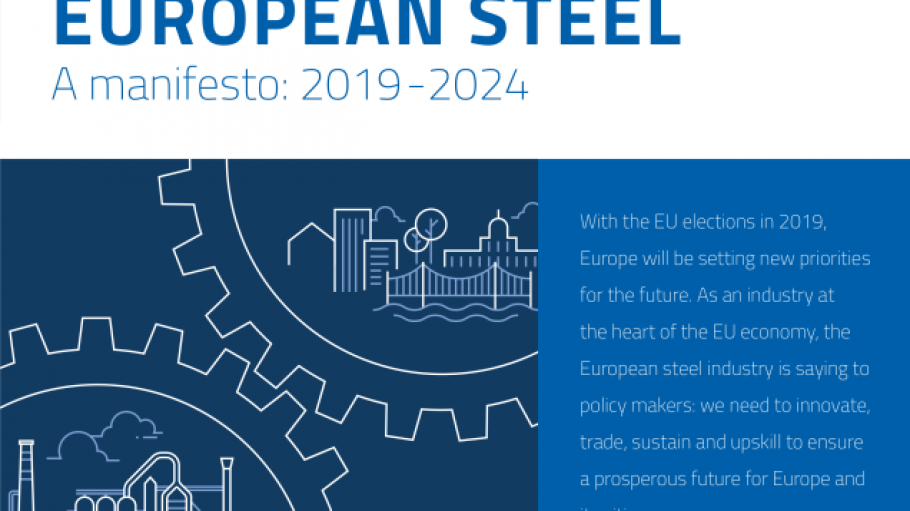
With the EU elections having taken place in May 2019, Europe is setting new priories and direction for the future. As an industry at the heart of the EU economy, the European steel industry is saying to policy makers: we need to innovate, trade, sustain and upskill to ensure a prosperous future for Europe and its citizens.
In the light of slowing demand, both generally and specifically for steel, persistently high global overcapacity of 550 million tonnes – 25% of global production capacity – high and volatile raw material and carbon prices, and surging imports, the European steel industry is facing potential crisis.
This manifesto sets out the footprint and importance of European steel to the EU economy, and explains why we need to make the industry more innovative, skilled and sustainable while also ensuring there is a robust trade policy that defends the sector against the challenges posed by overcapacity and trade surges.
Download this publication or visit associated links
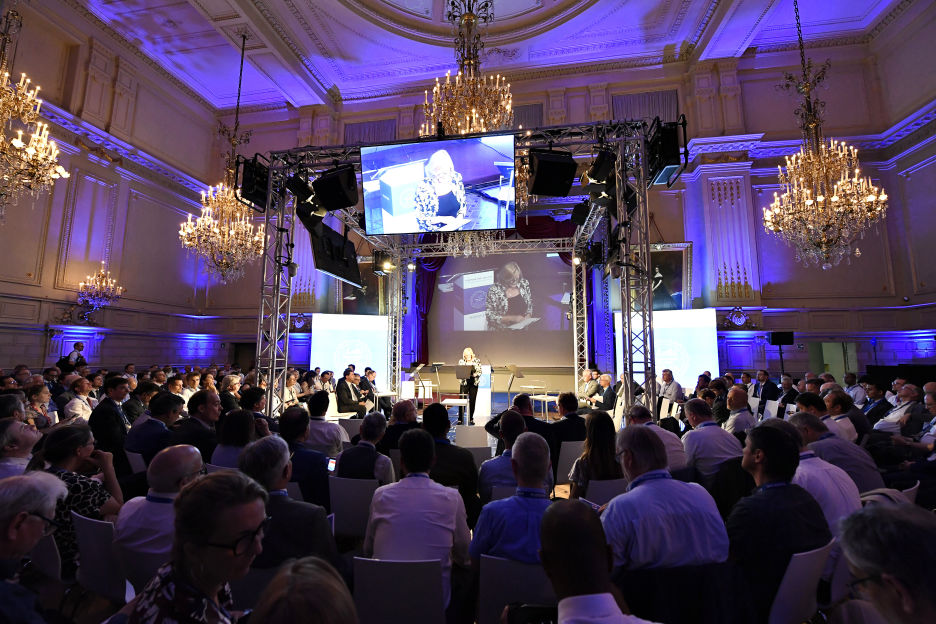
Brussels, 9 September 2026 - 75 years after coal and steel helped lay the foundations for European integration, Europe’s steel industry has called for renewed cooperation with policymakers to build a more competitive and sustainable European Union.
Steel in Action 2026
Brussels 17 July 2026 - Statement by EUROFER Director General Axel Eggert on the European Commission's proposal to revise the EU Emissions Trading System (ETS):
The European Steel Association (EUROFER)
172 Avenue de Cortenbergh
1000 Brussels
Belgium
Email: mail@eurofer.eu
Phone: +32 (0) 2 738 79 20